
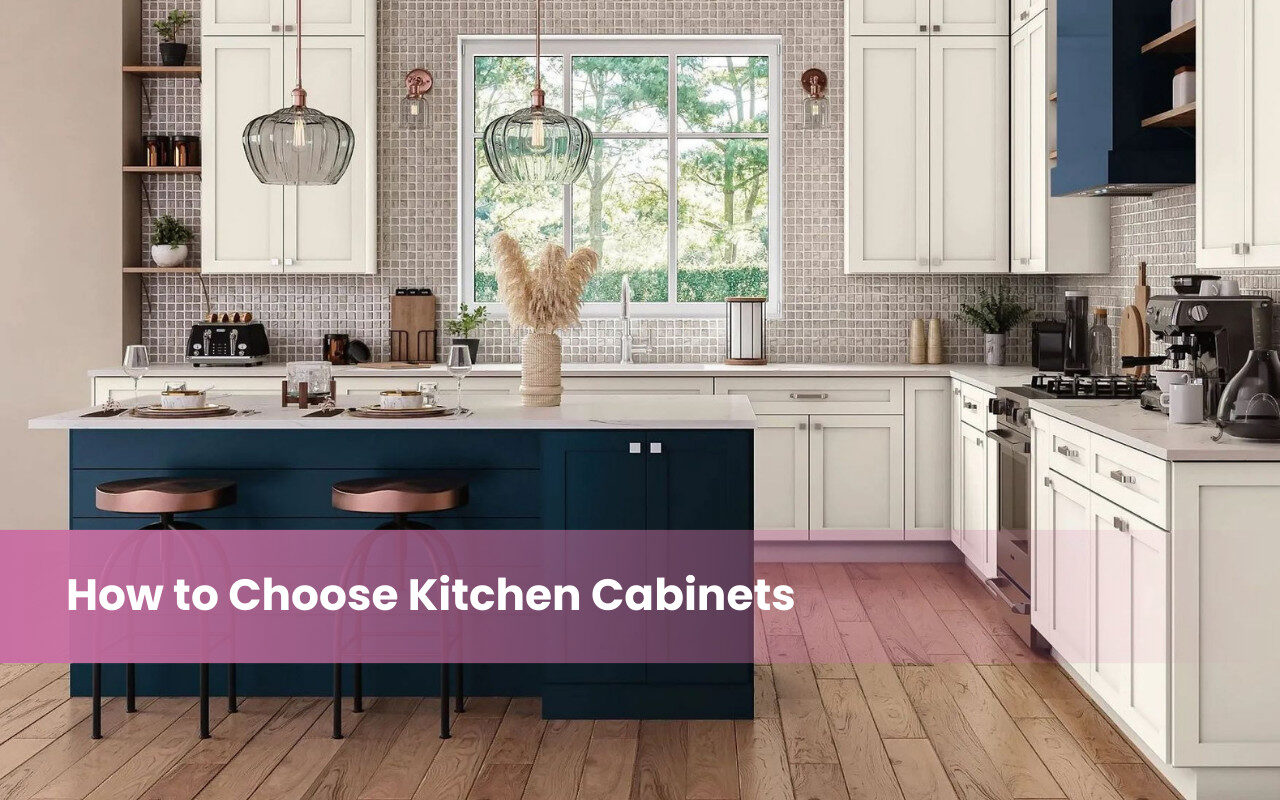
Choosing kitchen cabinets is not just about picking something that looks good in a showroom. You need storage that suits your on-the-go life, materials that can withstand daily use, and a style that will serve you for years to come.
The perfect cabinets can turn any kitchen into the heart of a home. When it’s time to commit to this expenditure, you want to get it right the first time. In this post, we will explore how to select kitchen cabinets by first evaluating your available space.
Step-by-Step Guide to Choosing Kitchen Cabinets
Assess Your Kitchen Layout
Your cabinet decisions are driven mainly by the layout of your kitchen. The first step in the process of how to choose kitchen cabinets is comparing the available space. Measure your walls, write down where your appliances are (and be sure to jot down the sizes of those appliances), and note anything that interrupts the flow of the wall, say a window, electrical outlets, or light switches.
Take photos from different angles. The measurements have to be precise, since custom modifications cost extra. Choosing kitchen cabinets that complement your current kitchen setup reduces installation costs and project delays.
Plan for Long-Term Needs
Imagine where you will be in five or ten years. Are you going to have a family? Do you entertain often? What you need to store right now may not be what you need to store tomorrow.
You might be thinking of really getting into baking. That changes how much counter space and storage you’ll want. Choosing kitchen cabinets means thinking beyond your current situation. You don’t want to regret your choices when your needs change.
Choose the Right Finish and Style
Your cabinet style will impact the overall aesthetic of your kitchen. You get crisp lines from shaker doors without becoming very contemporary. Raised panels feel more traditional but can look dated faster than simpler styles.
The finish you select has an impact on both appearance and maintenance. Painted cabinets show scratches and dings more easily than stained wood, but they also hide water spots better. While choosing kitchen cabinets, consider the architectural style of your house.
Get the Best Value for Your Budget
Kitchen cabinet buying guide experts will tell you that cabinets eat up about 40% of your kitchen renovation budget. Stock cabinets cost less but limit your options. Semi-custom options provide design flexibility while keeping costs below full custom pricing.
Don’t forget about hidden costs. Installation, hardware, and modifications add up quickly. Cabinet buying guide resources recommend factoring in delivery fees and potential storage costs.
Think About Maintenance and Care
Some materials need more care than others. Natural wood requires periodic refinishing to keep it looking good. Laminate wipes clean easily but can chip or peel over time.
Your lifestyle matters here. If you have young children, you might want surfaces that clean up without special products. Cabinets should last 15-20 years with proper care. Choose something you can maintain without it becoming a chore.
Select the Perfect Cabinet Size
Most kitchens can accommodate standard cabinet sizes, but your space may require a different configuration. The usual heights of upper cabinets are 30, 36, or even 42 inches. The 42-inch variant can be necessary for rooms with higher ceilings.
Typically, base cabinets are 24 inches deep and 34.5 inches tall. Kitchen cabinet buying guide resources often overlook this, but cabinet depth matters too. While deeper upper cabinets provide additional storage, they may make the kitchen feel more confined.
Understand Cabinet Functionality
Not all cabinets are created equal inside. Basic boxes with shelves work fine for dishes and glasses. Pull-out drawers, on the other hand, make things more accessible for storing pots and pans.
Lazy Susans allow you to make use of previously unused corner cabinet space. Soft-close hinges and drawer slides cost more upfront but make your kitchen quieter and prevent slamming damage over time. Selecting kitchen cabinets with quality hardware makes a difference.
Optimize Storage and Organization
Consider the contents of your cabinets. In addition to the capacity for regular dishes, you also need space for holiday serving pieces you use twice a year.
Vertical dividers make it easier to store and organize flat items such as baking sheets and cutting boards. Pull-out trash bins hide unsightly garbage cans. Avoid using too much specialized storage. Those custom organizers seem fantastic in showrooms, but they limit your flexibility if your needs change.
Prioritize Easy Cleaning and Durability
Every month, your cabinets will be opened hundreds of times, knocked by chair backs, and splattered with cooking oil. They need to handle this abuse gracefully.
Quality hardware makes a difference. Cheap hinges sag and break. Flimsy drawer slides stick and wobble. Invest in good mechanisms because replacing them later means taking your cabinets apart.
What Is the Average Cost of a Set of Kitchen Cabinets
Kitchen cabinet buying guide: Pricing varies widely based on your choices. You can expect stock cabinets from major retailers to range roughly between $100 and $300 per linear foot. Semi-custom options typically cost $300-650 per linear foot. Full custom cabinets can easily exceed $1,000 per linear foot.
For an average kitchen with 25 linear feet of cabinets, you’re looking at anywhere from $2,500 to $25,000 just for the boxes. Add installation, hardware, and any modifications, and your total cabinet investment could range from $4,000 to $40,000 or more.
What Are the Different Types of Kitchen Cabinets Available
Face-frame cabinets have a frame around the front opening. This classic construction technique ensures durability and offers a variety of door style options. The frame does reduce the opening size slightly.
Frameless cabinets mount doors directly to the cabinet box. This gives you slightly more storage space and a cleaner, more modern look. The construction requires thicker cabinet sides for strength.
Inset doors sit flush within the cabinet frame, creating clean lines but requiring precise installation. Overlay doors cover part or all of the frame, hiding minor imperfections and allowing for easier installation.
What Are the Best Materials for a Kitchen Cabinet
Solid wood remains the gold standard for cabinet buying guide recommendations. Maple, cherry, and oak offer durability and beauty, but they cost more than engineered alternatives.
Plywood boxes with solid wood doors give you most of the benefits of solid wood at a lower price. The plywood won’t warp or split like solid wood might in humid conditions.
Medium-density fiberboard (MDF) takes paint beautifully and costs less than wood. Particleboard keeps costs down, but doesn’t hold screws well and can swell if it gets wet. Reserve it for areas that won’t see heavy use or moisture exposure.
Which Color Is Best for Kitchen Cabinets
White cabinets are still in style because they create the illusion of a larger, brighter kitchen. These cabinets go well with almost every backsplash and countertop combination. Compared to darker colors, they show dirt more easily.
Gray cabinets offer a contemporary, neutral look that appears bright and airy, while also hiding dirt more effectively than white. The color navy blue gives character without being overt. Your own style and the lighting in your kitchen will determine how to pick kitchen cabinets for the most suitable hue.
Consider the resale value of your house. Neutral colors appeal to more potential buyers than bold statement colors.
Final Words on How to Choose Kitchen Cabinets
Selecting kitchen cabinets is one of the most important decisions you’ll make during your kitchen renovation. Choosing kitchen cabinets requires careful consideration of your daily routine, financial constraints, and room size.
Visit our showroom to experience the feel of various materials, open doors, and drawers. You will continue to use your cabinets regularly for many years to come. Choosing kitchen cabinets that work with how you actually live, not just how you wish you lived, makes the difference.
Transform your kitchen with the help of San Marcos kitchen cabinets specialists at Freedom Flooring Interiors. The experts can help guide your decision. Our experienced flooring store team understands how cabinet choices integrate with your complete kitchen design. Visit freedomflooringinteriors.com to explore your options, schedule a consultation, and see how the right cabinets can transform your cooking space into the kitchen of your dreams.