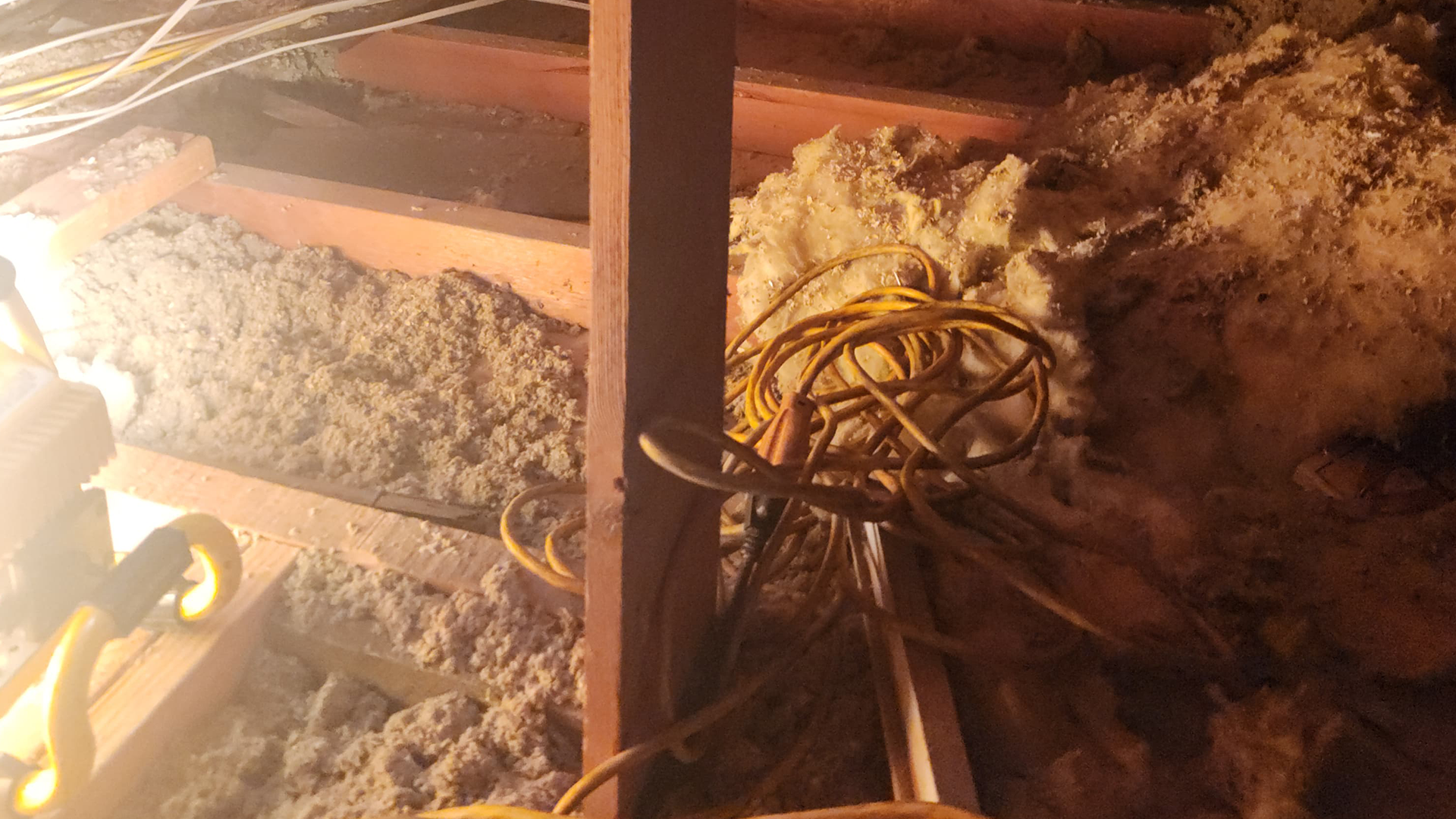
Attics can contain a range of biological and environmental hazards. Understanding what you're dealing with — and how to handle it safely — protects everyone in the house.
Attics can contain a variety of biological hazards, but it's helpful to distinguish between infectious diseases — caused by bacteria, viruses, fungi, or parasites — and environmental hazards like mold or allergens that can make people sick without being contagious.
Both matter when you're planning a cleanup, but they call for different precautions. Below is a breakdown of the main categories found in residential attics.
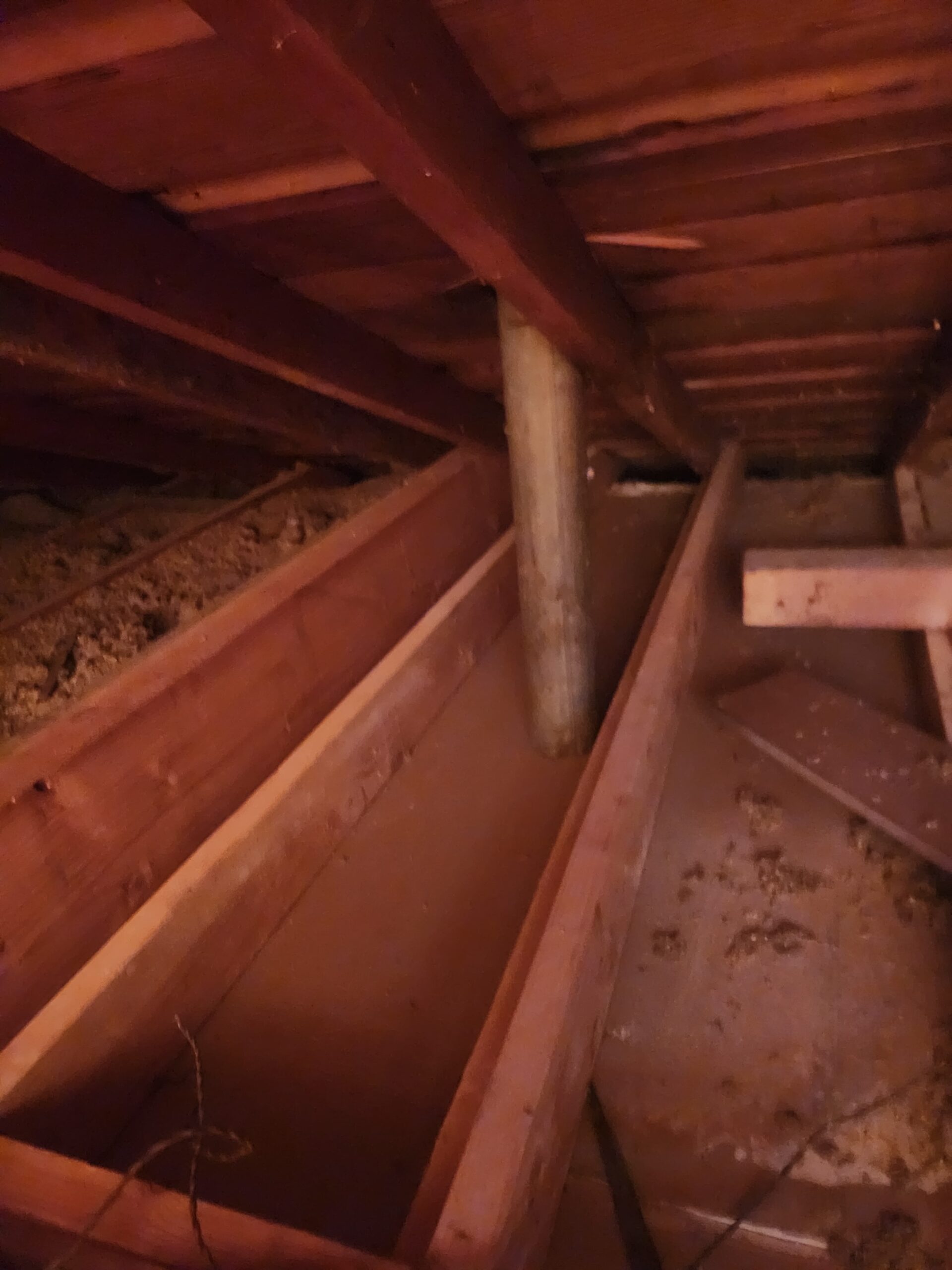
Eight categories, from the most frequently encountered to the more situational.
If mice or rats have lived in the attic:
If pigeons, starlings, sparrows, or other birds nested in the attic:
When dry bat droppings are disturbed, fungal spores become airborne and can be easily inhaled. This can lead to severe flu-like symptoms, fever, cough, and fatigue. In extreme cases, it can cause chronic lung disease or spread to other organs.
Raccoon droppings are dangerous mainly because they can contain eggs of the raccoon roundworm (Baylisascaris procyonis), which cause severe organ and brain damage if swallowed. While infections are rare, high-risk effects include:
Attics may harbor:
These don't cause infectious disease but can significantly affect health:
Older or damaged attics may also contain:
Raccoon roundworm eggs become a risk when they're swallowed or inhaled — which is why disturbing a latrine site without precautions is the moment that matters most.
Swallowing infectious roundworm eggs found in dirt, sand, or on objects near a raccoon latrine.
Breathing in dust from dried, contaminated droppings.
Young children are at the highest risk because they often put dirty hands or objects in their mouths.
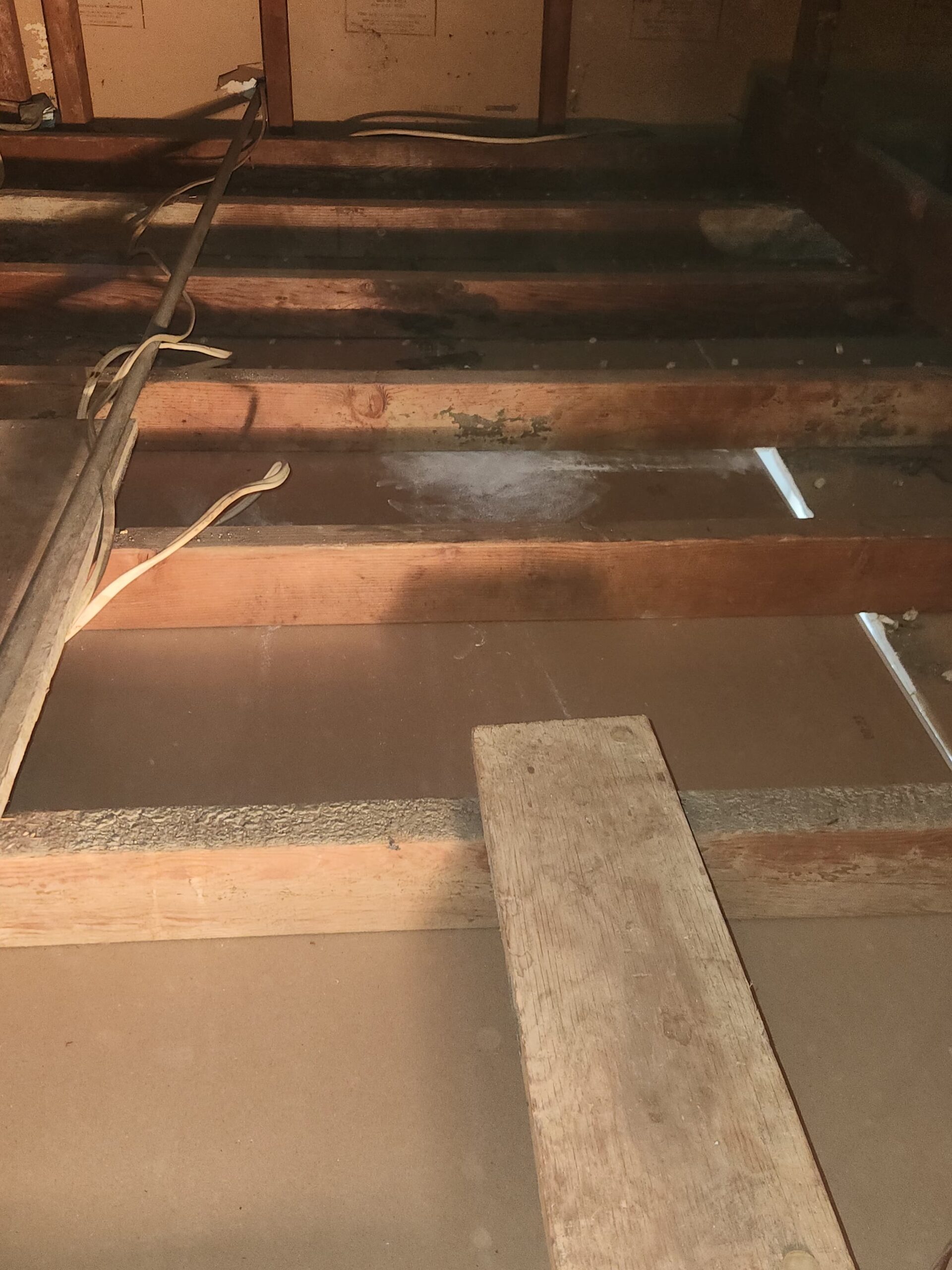
Health risks from attic contaminants are generally greater for some groups than others. If anyone in your household falls into these categories, extra caution is warranted before any cleanup begins.
If you suspect an attic contains mold, rodent droppings, or bird or bat waste, how you approach it matters as much as whether you clean it at all.
The greatest health concerns in most residential attics are mold exposure, rodent contamination, and bird or bat droppings. These are far more commonly encountered than the rare infectious diseases listed above — though those can occur under the right conditions. When in doubt, an assessment costs far less than an exposure.
If you're facing extensive mold growth, a significant accumulation of animal waste, or you simply aren't sure what you're looking at, have it assessed before you disturb it. Contact us to schedule a consultation.